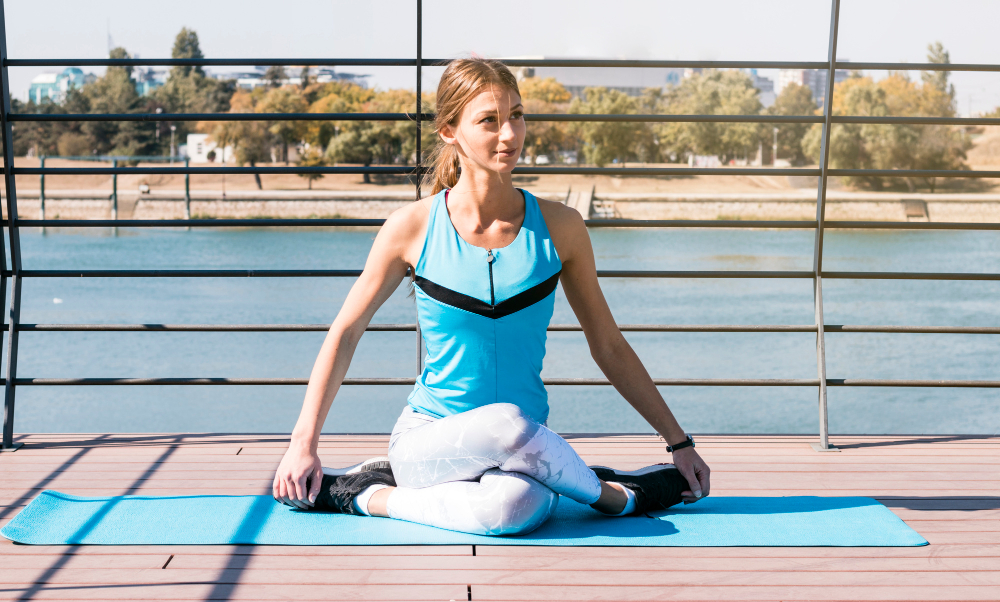
Best Yoga Poses for a Calm Mind and Fit Body
Yoga is a holistic practice that combines physical postures, breathing exercises, and meditation to promote mental clarity, emotional balance, and physical fitness. Practicing yoga regularly can help reduce stress, improve flexibility, strengthen muscles, and enhance overall well-being. For busy individuals or beginners, focusing on a few key poses can provide noticeable benefits for both mind and body.
Why Yoga Benefits Both Mind and Body
Yoga is unique because it addresses physical and mental health simultaneously:
- Reduces stress: Breathing techniques and mindfulness calm the nervous system
- Improves flexibility and strength: Postures engage multiple muscle groups
- Enhances focus and clarity: Mindful practice boosts concentration
- Supports posture and balance: Strengthens core and stabilizing muscles
By incorporating a regular yoga routine, you can cultivate inner calm while building a fit, resilient body.
7 Best Yoga Poses for a Calm Mind and Fit Body
1. Child’s Pose (Balasana)
A gentle resting pose that relieves tension in the back, shoulders, and neck.
Benefits:
- Calms the mind and reduces stress
- Stretches the spine and hips
- Helps regulate breathing and heart rate
How to do it:
- Kneel on the floor and sit back on your heels
- Extend your arms forward and lower your forehead to the mat
- Hold for 1–3 minutes while taking deep breaths
2. Downward-Facing Dog (Adho Mukha Svanasana)
A full-body stretch that strengthens the arms, shoulders, and legs.
Benefits:
- Improves circulation and flexibility
- Strengthens the core and upper body
- Energizes the body and relieves fatigue
How to do it:
- Start on hands and knees, tuck toes, and lift hips toward the ceiling
- Keep arms and legs straight, forming an inverted V shape
- Hold for 30 seconds to 1 minute while breathing deeply
3. Tree Pose (Vrikshasana)
A balancing pose that enhances focus and strengthens the legs.
Benefits:
- Improves balance and stability
- Strengthens ankles, thighs, and core
- Promotes mental focus and concentration
How to do it:
- Stand tall and shift weight to one leg
- Place the sole of the opposite foot on the inner thigh or calf
- Bring hands together at the chest or overhead
- Hold for 30–60 seconds on each side
4. Cat-Cow Pose (Marjaryasana-Bitilasana)
A gentle flow that mobilizes the spine and relieves tension.
Benefits:
- Increases flexibility in the spine
- Stretches neck and back muscles
- Reduces stress and improves posture
How to do it:
- Start on hands and knees
- Inhale, arch your back, and lift your head (Cow Pose)
- Exhale, round your back, and tuck your chin (Cat Pose)
- Repeat 5–10 cycles slowly
5. Cobra Pose (Bhujangasana)
A backbend that strengthens the spine and opens the chest.
Benefits:
- Improves spinal flexibility
- Strengthens back muscles and core
- Reduces fatigue and boosts mood
How to do it:
- Lie on your stomach with hands under shoulders
- Inhale, lift your chest off the ground while keeping elbows slightly bent
- Hold for 15–30 seconds, then exhale and lower
6. Seated Forward Bend (Paschimottanasana)
A calming pose that stretches the back and hamstrings while promoting relaxation.
Benefits:
- Reduces anxiety and stress
- Stretches spine, hamstrings, and calves
- Improves digestion and relieves tension
How to do it:
- Sit with legs extended straight in front
- Inhale, lengthen your spine, and exhale as you reach forward
- Hold for 30–60 seconds while breathing deeply
7. Corpse Pose (Savasana)
The ultimate relaxation pose, often practiced at the end of a yoga session.
Benefits:
- Promotes deep relaxation and stress relief
- Reduces fatigue and lowers blood pressure
- Allows the body and mind to integrate the benefits of yoga
How to do it:
- Lie flat on your back with arms at your sides
- Close your eyes and focus on slow, deep breathing
- Hold for 5–10 minutes, allowing complete relaxation
Tips for a Successful Yoga Practice
- Consistency matters: Practice at least 3–5 times a week
- Focus on breath: Deep, mindful breathing enhances mental clarity and physical benefits
- Start slowly: Begin with 10–20 minutes and gradually increase duration
- Use props if needed: Yoga blocks, straps, or cushions can improve alignment and comfort
- Listen to your body: Avoid pushing into pain; yoga should be challenging but gentle
5 FAQs About Yoga for Mind and Body
1. How long should a yoga session last for beginners?
Start with 10–20 minutes and gradually increase to 30–60 minutes as your flexibility and stamina improve.
2. Can yoga help with stress and anxiety?
Yes. Yoga combines movement, breath, and mindfulness, which reduces stress hormones and promotes mental calmness.
3. Do I need to be flexible to start yoga?
No. Yoga improves flexibility over time. Beginners can modify poses and use props to practice safely.
4. Can yoga help with weight management?
Yes. While yoga is gentle, it strengthens muscles, improves metabolism, and promotes mindful eating, supporting weight management.
5. Should I practice yoga in the morning or evening?
Both are beneficial. Morning yoga energizes and prepares the body for the day, while evening yoga relaxes and aids sleep.
Conclusion
Yoga is a powerful practice that nurtures both mind and body. Poses like Child’s Pose, Downward-Facing Dog, Tree Pose, and Savasana can help reduce stress, improve flexibility, strengthen muscles, and enhance mental focus.
By dedicating even a short amount of time each day to yoga, you can cultivate inner calm, physical strength, and overall well-being. Consistency, mindfulness, and patience are key—over time, these practices create a balanced, fit, and resilient body with a peaceful, focused mind.