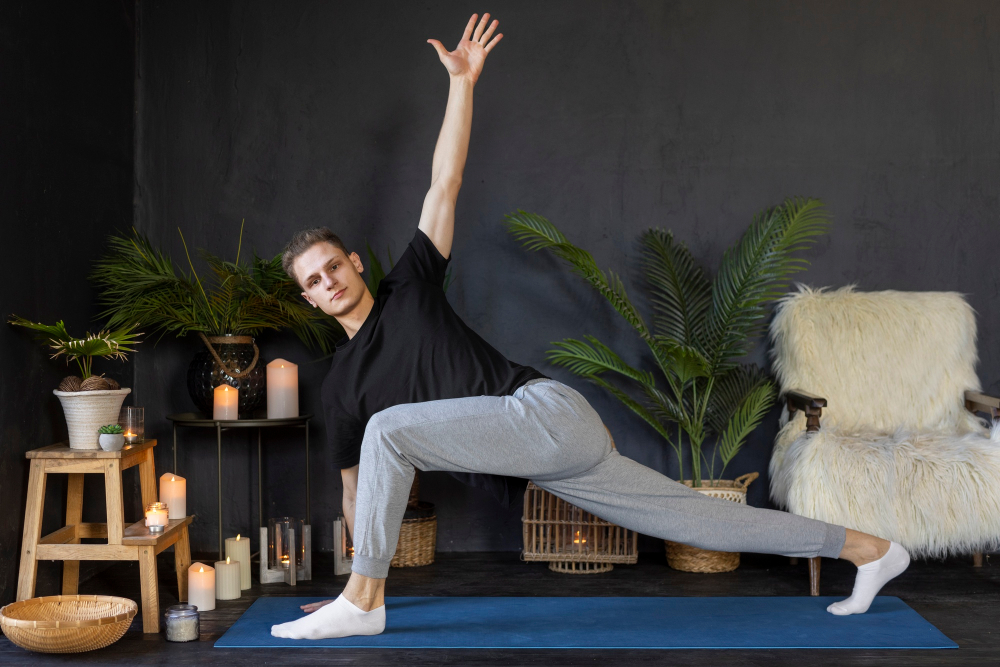
The Science Behind Stretching: Why It’s the Key to Longevity
Stretching is often overlooked in fitness routines, yet it plays a crucial role in maintaining physical health, mobility, and overall longevity. Beyond simply warming up or cooling down during exercise, consistent stretching improves circulation, reduces injury risk, and enhances both physical and mental well-being. In this article, we’ll explore the science behind stretching and why it’s essential for a long, active life.
How Stretching Impacts Your Body
Stretching affects the muscles, tendons, and connective tissues, promoting flexibility and reducing stiffness. Here’s how it contributes to overall health:
- Improves Flexibility: Stretching lengthens muscles and improves the range of motion in joints, making daily activities easier and reducing the risk of strains.
- Enhances Circulation: Dynamic and static stretches increase blood flow to muscles, delivering oxygen and nutrients essential for repair and recovery.
- Supports Posture: Regular stretching balances muscle tension, reducing imbalances that lead to poor posture and back pain.
- Reduces Stress: Stretching relaxes tight muscles and activates the parasympathetic nervous system, which lowers cortisol and promotes calmness.
- Prevents Injuries: Flexible muscles and joints are less prone to tears, strains, and other exercise-related injuries.
Types of Stretching
Understanding different stretching methods helps optimize their benefits:
1. Static Stretching
This involves holding a stretch for 15–60 seconds without movement.
Benefits:
- Improves flexibility
- Reduces post-workout soreness
Example: Hamstring stretch or calf stretch
2. Dynamic Stretching
Involves controlled, active movements that gently take muscles through their full range of motion.
Benefits:
- Prepares muscles for physical activity
- Enhances blood flow and mobility
Example: Arm circles, leg swings, or walking lunges
3. PNF Stretching (Proprioceptive Neuromuscular Facilitation)
Involves contracting and relaxing muscles while stretching.
Benefits:
- Increases flexibility faster than static stretching
- Improves muscle strength in stretched positions
Example: Assisted hamstring or shoulder stretches
4. Yoga and Mobility Stretching
Combines stretching, breathwork, and mindful movement to improve flexibility, balance, and mental calm.
Benefits:
- Enhances joint mobility
- Reduces stress and tension
- Supports longevity and mental health
Why Stretching Promotes Longevity
1. Maintains Mobility
Aging often leads to stiffness, reduced mobility, and difficulty performing daily activities. Regular stretching keeps joints flexible, preserving independence and quality of life.
2. Reduces Chronic Pain
Consistent stretching reduces muscle tension, alleviates back pain, and prevents postural imbalances that contribute to chronic discomfort.
3. Enhances Cardiovascular Health
Stretching improves circulation, which supports heart health and delivers nutrients more efficiently to muscles and organs.
4. Supports Mental Health
Stretching activates the parasympathetic nervous system, lowering stress, improving sleep, and enhancing emotional well-being.
5. Complements Physical Fitness
Whether you lift weights, run, or practice yoga, stretching improves performance by increasing range of motion and reducing fatigue, allowing for longer, more effective workouts.
Tips for Effective Stretching
- Warm up first: Stretching cold muscles can lead to injury; do light cardio for 3–5 minutes beforehand.
- Breathe deeply: Controlled breathing improves relaxation and oxygen delivery.
- Consistency is key: Daily or 4–5 times a week provides the best long-term benefits.
- Target all major muscle groups: Include hamstrings, calves, quads, shoulders, and back.
- Listen to your body: Stretch until tension is felt, not pain, to avoid injury.
5 FAQs About Stretching and Longevity
1. How long should I hold a stretch for maximum benefit?
Aim for 15–60 seconds per stretch, repeating 2–3 times for each major muscle group.
2. Can stretching improve posture?
Yes. Stretching tight muscles and strengthening weak ones helps maintain proper alignment and reduces back and neck pain.
3. Is stretching more effective in the morning or evening?
Stretching can be beneficial at any time, but evening stretching can help relax muscles and improve sleep, while morning stretching boosts mobility and energy.
4. How often should I stretch?
For general flexibility and longevity, 4–5 times a week is recommended, with short daily sessions being ideal.
5. Can stretching prevent injuries?
Yes. Flexible muscles and joints are less prone to strains, tears, and overuse injuries during physical activities.
Conclusion
Stretching is far more than a simple warm-up or cool-down exercise—it is a cornerstone of long-term health and longevity. By improving flexibility, circulation, posture, and mental well-being, regular stretching helps prevent injuries, reduces chronic pain, and supports a high quality of life.
Incorporating static, dynamic, and mobility stretches into your daily routine can provide physical and mental benefits that compound over time. Whether you’re young, middle-aged, or older, consistent stretching keeps your body agile, resilient, and ready for life’s challenges, making it a simple yet powerful key to longevity.