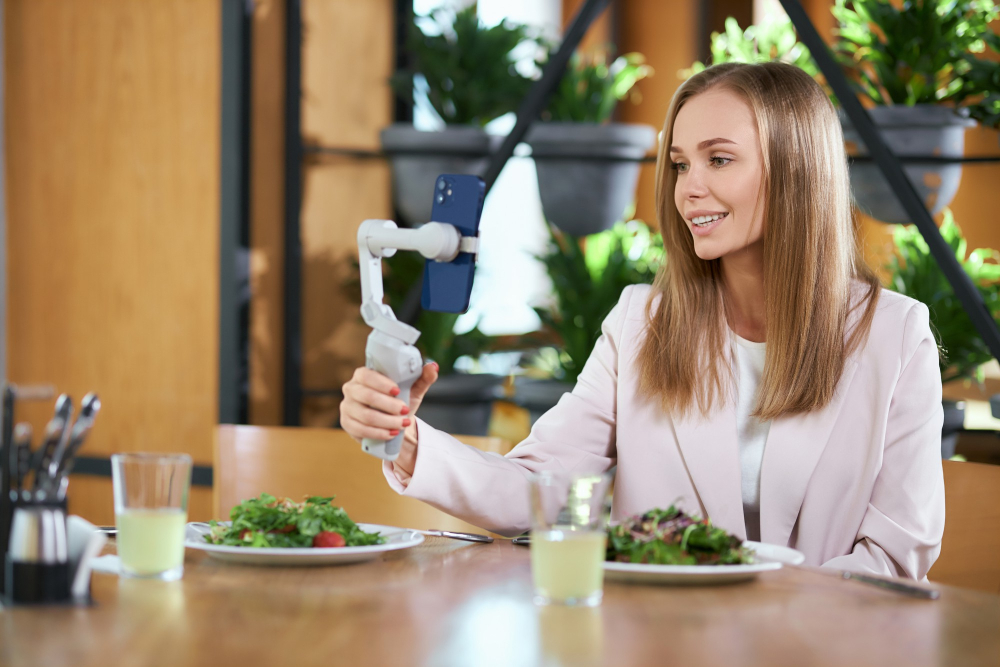
How AI Is Revolutionizing Personal Health and Nutrition
Artificial intelligence (AI) is transforming industries across the globe, and personal health and nutrition are no exceptions. From tailored meal plans to predictive health monitoring, AI is enabling individuals to make smarter, more informed choices about their well-being. In 2025, leveraging AI in health and nutrition is no longer a futuristic idea—it’s becoming an essential part of a proactive lifestyle.
Personalized Nutrition Through AI
One of the most significant ways AI is impacting health is through personalized nutrition. Traditional dietary guidelines are generalized, but AI algorithms can analyze individual data—including genetics, lifestyle, activity level, and health goals—to create highly tailored nutrition plans.
Benefits:
- Optimized nutrient intake for energy, immunity, and overall health
- Support for specific goals like weight management, muscle gain, or improved digestion
- Real-time adjustments based on dietary preferences or health data
Examples:
- AI apps that track dietary intake and suggest modifications
- Personalized supplement recommendations based on lab results
- Meal planning algorithms that adapt to your lifestyle
AI-Powered Health Monitoring
AI is transforming how we monitor our health, enabling early detection of potential issues and continuous tracking of vital metrics.
Key applications:
- Wearables and apps: Track heart rate, sleep patterns, blood glucose, and activity levels
- Predictive analytics: AI can anticipate health risks based on historical data and behavior patterns
- Virtual health assistants: Chatbots and AI platforms provide guidance on diet, exercise, and chronic condition management
Benefits:
- Early identification of potential health problems
- Data-driven decision making for lifestyle changes
- Continuous motivation through real-time feedback
Smart Meal Planning and Grocery Assistance
AI is changing the way people approach meal planning and grocery shopping. Smart apps can generate meal plans based on dietary preferences, calorie goals, and even local ingredient availability.
Advantages:
- Saves time on meal planning
- Reduces food waste by suggesting recipes with available ingredients
- Ensures nutritional balance across meals
Example: AI-powered apps can scan grocery receipts and suggest healthier alternatives or recipes tailored to your dietary goals.
AI and Chronic Disease Management
Chronic diseases like diabetes, heart conditions, and obesity require careful monitoring and dietary management. AI offers tools that provide personalized recommendations and predictive alerts to prevent complications.
Applications:
- Blood sugar prediction and insulin recommendations for diabetics
- AI-guided dietary adjustments to manage cholesterol or blood pressure
- Behavior tracking to support sustainable lifestyle changes
Benefits:
- Reduced risk of disease progression
- Improved adherence to health guidelines
- Personalized support without constant clinic visits
Mental Health and Nutrition Connection
AI also helps bridge the gap between nutrition and mental health. By analyzing data on sleep, diet, and activity, AI platforms can suggest interventions that support mental well-being.
Examples:
- Nutritional adjustments to improve mood or reduce stress
- Mindful eating prompts to combat emotional eating
- Integration with mental health apps for holistic wellness support
Challenges and Considerations
While AI offers many benefits, it’s essential to use these tools wisely:
- Data privacy: Ensure apps and devices comply with data protection regulations
- Personalization accuracy: AI works best when paired with professional guidance, especially for chronic conditions
- Avoiding over-reliance: AI should complement, not replace, consultations with healthcare providers
5 FAQs About AI in Personal Health and Nutrition
1. Can AI replace a nutritionist or doctor?
No. AI complements professional advice by providing personalized insights and tracking, but it cannot fully replace expert evaluation.
2. How accurate are AI-powered nutrition plans?
Accuracy depends on the quality of data input. The more information you provide, the better AI can tailor recommendations.
3. Are AI health apps safe to use?
Reputable apps follow data privacy regulations and provide evidence-based suggestions. Always research before use.
4. Can AI help with weight loss and fitness goals?
Yes. AI tracks dietary intake, physical activity, and progress, offering real-time recommendations to optimize results.
5. Is AI in health only for tech-savvy individuals?
No. Many AI tools are user-friendly, accessible through smartphones, wearables, and smart home devices.
Conclusion
AI is revolutionizing personal health and nutrition by offering personalized, data-driven solutions. From tailored meal plans and smart health monitoring to chronic disease management and mental wellness support, AI empowers individuals to make informed decisions and take proactive steps toward better health.
As AI tools become increasingly accessible and sophisticated, integrating them into your daily routine can enhance energy, optimize nutrition, and improve overall well-being. Embracing AI in health and nutrition is not just a trend—it’s a smart strategy for living healthier, happier, and more balanced lives in 2025 and beyond.